What if one spring dress could take you from coffee runs to cocktail hour without looking underdressed-or overdone?
Spring is the season of lighter fabrics, fresher colors, and smarter styling choices, but the best dresses do more than look pretty. They adapt.
With the right silhouette, shoes, layers, and accessories, a casual midi can feel polished, while a formal dress can be softened for daytime wear.
These spring dress ideas will help you build outfits that move easily between relaxed plans, office moments, garden parties, dinners, and special events.
What Makes a Spring Dress Versatile Enough for Casual and Formal Looks
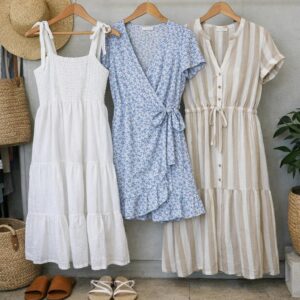
A versatile spring dress starts with the right fabric, shape, and color. Look for breathable materials like cotton poplin, linen blends, crepe, or satin-finish viscose that feel comfortable in the daytime but still look polished after dark. A midi length usually gives the best cost-per-wear because it works with sneakers, sandals, pumps, and ankle boots.
Color matters more than many people realize. Soft neutrals, navy, sage, blush, black, ivory, and subtle floral prints are easier to style for different dress codes than loud seasonal patterns. In real life, a simple wrap dress in navy can go from a weekend brunch with white sneakers to a client dinner with heeled sandals, gold jewelry, and a structured blazer.
- Choose clean lines: Shirt dresses, wrap dresses, slip dresses, and A-line silhouettes adapt well to casual and formal styling.
- Check the neckline: A modest V-neck, square neck, or collared style gives you more options for work events, weddings, and dinner plans.
- Plan the accessories: Belts, jackets, handbags, and shoes can change the entire dress code without buying another outfit.
If you are unsure whether a dress is worth buying, test it like a capsule wardrobe piece: style it three ways before checkout. Tools like Pinterest can help you compare outfit ideas, while rental platforms such as Rent the Runway are useful for trying premium spring dresses before investing in a higher-cost designer option. The best versatile dress is not the trendiest one; it is the one that reduces outfit stress across multiple occasions.
How to Style Spring Dresses with Shoes, Layers, and Accessories for Any Occasion
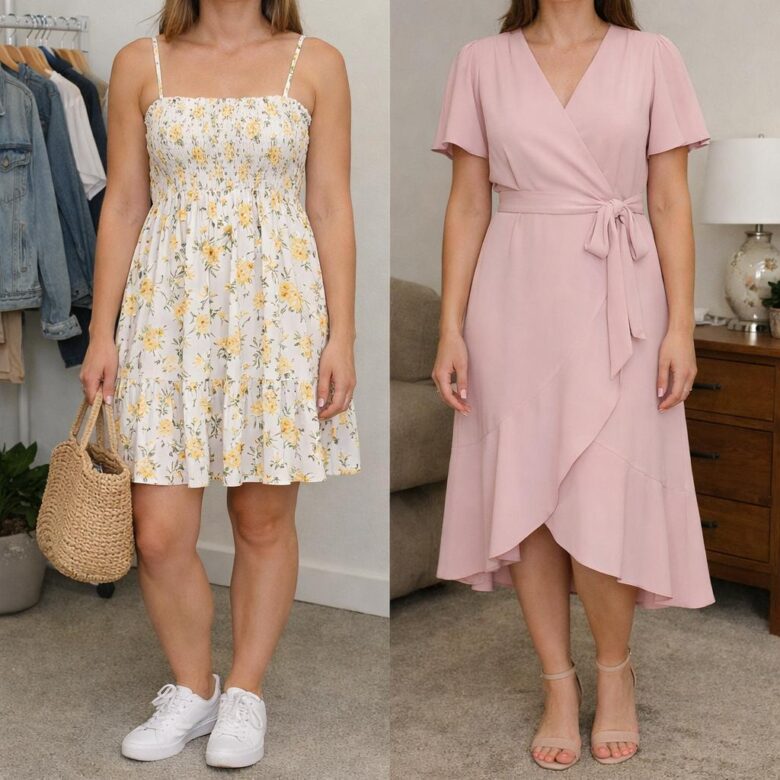
The easiest way to make spring dresses work harder is to style around the setting, not just the dress. A floral midi dress can feel casual with white leather sneakers and a denim jacket, then turn polished with block-heel sandals, a tailored blazer, and gold jewelry. This approach helps you get more value from one piece, especially if you are building a capsule wardrobe or comparing outfit cost per wear.
For daytime errands, brunch, or travel, choose comfortable shoes with support: fashion sneakers, flat sandals, ballet flats, or low espadrilles. If you walk a lot, check reviews on Zappos for arch support, heel height, and return policy before buying. In real life, the “cute but painful” shoe usually stays in the closet.
- Casual: shirt dress, crossbody bag, sneakers, lightweight cardigan.
- Office: wrap dress, structured blazer, loafers or block heels, leather tote.
- Formal: satin or pleated dress, strappy heels, clutch, delicate jewelry.
Layers matter because spring weather changes fast. A cropped trench coat works well over fit-and-flare dresses, while a fine-knit cardigan softens slip dresses without looking too heavy. For outdoor weddings or evening dinners, a shawl, linen blazer, or tailored jacket keeps the outfit elegant and practical.
Accessories should balance the dress, not compete with it. Use a belt to define the waist on loose silhouettes, choose a neutral handbag for printed dresses, and add statement earrings only when the neckline is simple.
Common Spring Dress Styling Mistakes That Make Outfits Look Too Casual or Overdone
One of the easiest ways to make a spring dress look too casual is pairing it with the wrong shoes. A floral midi dress with flat rubber sandals can feel beachy, but the same dress with leather slingbacks or low block heels looks polished enough for brunch, work events, or a daytime wedding.
Another common mistake is ignoring fabric quality. Thin jersey, clingy polyester, or wrinkled linen can make even a beautiful dress look inexpensive, especially in photos. Before buying, check product videos on Nordstrom or similar retail platforms to see how the fabric moves in real light.
- Too casual: canvas tote, flip-flops, oversized denim jacket, and messy hair all at once.
- Too overdone: statement earrings, bold belt, embellished bag, high heels, and heavy makeup together.
- Better balance: choose one focal accessory and keep the rest clean.
Fit is another detail that separates effortless styling from a rushed outfit. If the waist sits too high, straps keep slipping, or the hem hits an awkward point, consider basic alterations; the tailoring cost is often lower than replacing the dress entirely. A $25 hem adjustment can make a mid-priced dress look far more premium.
For real-world styling, think about the setting before adding accessories. A satin slip dress with sneakers and a trench works for a casual dinner, while the same dress with metallic heels, a structured clutch, and a blazer feels formal without looking overdone. The goal is not more styling-it is smarter editing.
Final Thoughts on Spring Dress Ideas That Work for Casual and Formal Looks
A spring dress earns its place in your wardrobe when it can shift with your day, not just match one occasion. Choose pieces with clean silhouettes, breathable fabrics, and colors or prints you can style up or down with ease. The best decision is to buy for versatility first: if a dress works with sneakers, sandals, heels, a denim jacket, or tailored layers, it will serve you far beyond a single event. Let comfort guide the fit, and let accessories define the mood. That balance is what makes a spring dress feel both effortless and polished.

Dr. Clara Montgomery, Ph.D. in Textile Science and Fashion Psychology Dr. Clara Montgomery is a wardrobe consultant and researcher with over 11 years of experience studying how clothing impacts human behavior and confidence. She founded DressesByMe to transform the daily ritual of getting dressed into an empowering, stress-free experience. Combining the science of body symmetry, textile fit, and color psychology, Dr. Montgomery’s mission is to provide personalized styling frameworks and practical outfit planning guides, helping individuals curate a signature wardrobe that aligns beautifully with their lifestyle and personality.