Why should a summer dress look effortless but feel like a compromise?
The best summer dresses do more than photograph well-they keep you cool, move with your body, and make getting dressed feel easy on hot, busy days.
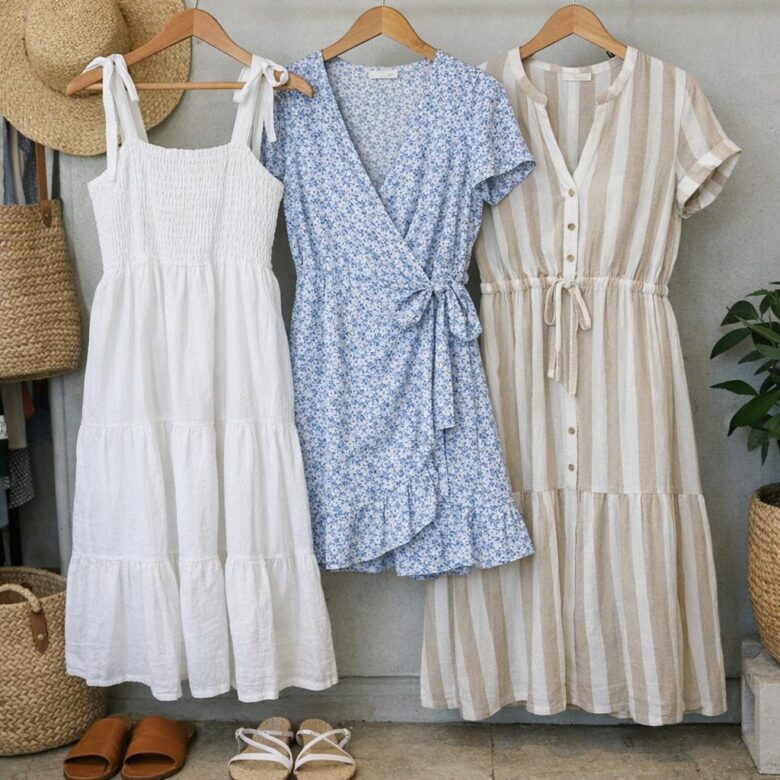
From breathable cotton maxis to polished shirt dresses and throw-on-and-go styles, the right dress can handle errands, brunch, vacations, and casual evenings without a full outfit change.
This guide focuses on summer dresses that balance comfort, style, and everyday wearability-so you can choose pieces that actually earn their place in your closet.
What Makes a Summer Dress Comfortable, Stylish, and Easy to Wear?
A good summer dress starts with fabric. Look for breathable materials like cotton, linen, rayon, Tencel, or moisture-wicking blends that help you stay cool during errands, travel, outdoor brunches, or long workdays. If you spend a lot of time outside, dresses with UPF sun protection can be worth the extra cost because they add comfort and practical skin protection.
Fit matters just as much as style. A dress that pulls at the bust, clings at the waist, or rides up when you walk will not become your everyday favorite, no matter how pretty it looks online. Before buying, check the size chart, customer photos, and return policy on platforms like Nordstrom, especially if you are ordering petite, tall, maternity, or plus-size summer dresses.
- Easy movement: A-line, wrap, tiered, and shift dresses usually feel less restrictive.
- Low-maintenance care: Machine-washable fabrics save time and dry-cleaning costs.
- Versatile styling: Neutral colors, simple prints, and adjustable straps work for more occasions.
In real life, the best dress is often the one you can wear three different ways. For example, a black linen midi dress can work with sandals for daytime, white sneakers for travel, and a light blazer for a casual office outfit. That kind of cost-per-wear value is what makes a summer dress feel like a smart wardrobe investment, not just another seasonal purchase.
How to Choose the Best Summer Dress for Your Body Type, Fabric Needs, and Daily Routine
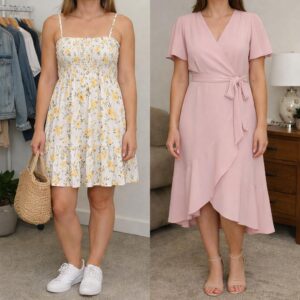
The best summer dress is not just the one that looks good on a hanger; it should fit your shape, handle heat well, and match how you actually spend your day. If you have a defined waist, wrap dresses and fit-and-flare styles usually work well, while straight-cut shirt dresses or tiered silhouettes can feel more comfortable for relaxed, everyday wear.
Fabric matters just as much as fit. Cotton and linen are breathable for hot weather, but linen wrinkles quickly, so a cotton-blend or wrinkle-resistant travel dress may be better if you commute, sit at a desk, or pack light for vacation. For humid days, I’ve found that a lined polyester dress can feel hotter than expected, even if it looks lightweight online.
- For work: choose midi dresses, shirt dresses, or modest wrap styles that pair with sandals or low heels.
- For errands and weekends: look for machine-washable fabrics, pockets, and adjustable straps.
- For travel: prioritize wrinkle-resistant material, neutral colors, and dresses that work for both sightseeing and dinner.
Before buying, check the size chart, fabric details, care label, and return policy. Tools like Nordstrom’s size guide or customer photo reviews on major online shopping platforms can help you judge real fit better than studio images. A practical example: if you walk to work in warm weather, a sleeveless cotton midi dress with a light cardigan is often more useful than a trendy mini dress that needs constant adjusting.
Common Summer Dress Mistakes to Avoid for Better Fit, Breathability, and Versatility
One of the biggest mistakes is buying a summer dress based only on color or trend instead of fabric content. Polyester can look polished online, but in hot weather it often traps heat, while cotton, linen, bamboo, and breathable rayon blends usually feel better for everyday wear, travel, and outdoor events.
Fit is another area where small mistakes become expensive. A dress that pulls across the bust, rides up when you walk, or gaps at the armholes will not become comfortable just because it is on sale; check the size chart, read fit reviews, and compare measurements with a dress you already own using a tape measure or the sizing tools on Nordstrom.
- Ignoring undergarments: Try dresses with the bra or shapewear you plan to wear, especially with white, linen, or slip-style designs.
- Choosing the wrong length: Midi dresses can be versatile, but if the hem hits the widest part of the calf, it may feel less flattering.
- Skipping care labels: Dry-clean-only summer dresses may raise the long-term cost of ownership.
A real-world example: a lightweight linen shirt dress may wrinkle, but it can work for the office, weekend errands, and vacation with different shoes and accessories. That gives it better cost per wear than a dramatic cutout dress you only wear once.
Also avoid buying dresses that require too many “fixes” to be usable. If you need special tape, constant steaming, a strapless bra, and tailoring, the dress may not be practical for daily summer outfits.
Closing Recommendations
The best summer dress is the one you’ll reach for without overthinking. Choose breathable fabrics, an easy fit, and a length that suits your daily routine-not just the occasion. If you’re unsure, start with a versatile midi or relaxed sundress that can work with sandals, sneakers, or a light layer. Prioritize comfort first, then refine by color, silhouette, and styling details. A well-chosen summer dress should feel effortless, move with you, and make warm-weather dressing simpler from morning errands to casual evenings out.

Dr. Clara Montgomery, Ph.D. in Textile Science and Fashion Psychology Dr. Clara Montgomery is a wardrobe consultant and researcher with over 11 years of experience studying how clothing impacts human behavior and confidence. She founded DressesByMe to transform the daily ritual of getting dressed into an empowering, stress-free experience. Combining the science of body symmetry, textile fit, and color psychology, Dr. Montgomery’s mission is to provide personalized styling frameworks and practical outfit planning guides, helping individuals curate a signature wardrobe that aligns beautifully with their lifestyle and personality.