One wrong dress can make the right occasion feel uncomfortable.
From black-tie weddings to casual brunches, the best dress style is not just about looking good-it is about matching the mood, setting, season, and level of formality with confidence.
This complete guide breaks down the most flattering and appropriate dress styles for every occasion, so you can choose silhouettes, fabrics, lengths, and details that feel polished without looking overdone.
Whether you are dressing for work, a party, a date night, vacation, or a formal event, you will find practical style direction that helps you look intentional every time you walk in.
What Defines the Best Dress Style: Silhouettes, Dress Codes, Fabrics, and Fit
The best dress style is not just the prettiest option on the rack; it is the one that matches your body shape, event dress code, fabric needs, and alteration budget. A sheath dress may look polished for a business dinner, while an A-line midi dress is often easier to wear for weddings, brunches, and semi-formal events. Fit matters most.
Start with the silhouette because it controls the overall impression. Wrap dresses define the waist, slip dresses feel modern and minimal, fit-and-flare styles balance proportions, and tailored column dresses work well for professional events or luxury evening wear. If you shop online, using size charts, customer photos, and virtual styling tools like Nordstrom Trunk Club or similar personal styling services can reduce returns and help you compare brands more accurately.
- Dress code: Black-tie usually calls for a floor-length gown, while cocktail attire works with knee-length or midi dresses.
- Fabric: Satin and silk feel dressy, jersey is forgiving, linen suits daytime events, and crepe offers a structured, expensive look.
- Fit: Budget for tailoring if the shoulders, bust, or hemline are close but not perfect.
A real-world example: for a summer outdoor wedding, a lightweight chiffon midi dress with block heels is usually more practical than a heavy satin gown that wrinkles or traps heat. Also consider hidden costs such as shapewear, dry cleaning, dress rental fees, and alterations, since these can affect the true value of a “cheap” dress.
How to Choose the Right Dress for Every Occasion: Work, Weddings, Parties, Travel, and Formal Events
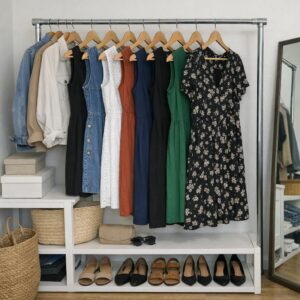
Choosing the right dress starts with the setting, not the trend. For work, look for structured midi dresses, wrap dresses, or shirt dresses in breathable fabrics that pair well with blazers and comfortable office shoes. A practical rule: if you can sit, walk, and raise your arms without adjusting the dress, it is probably workplace-ready.
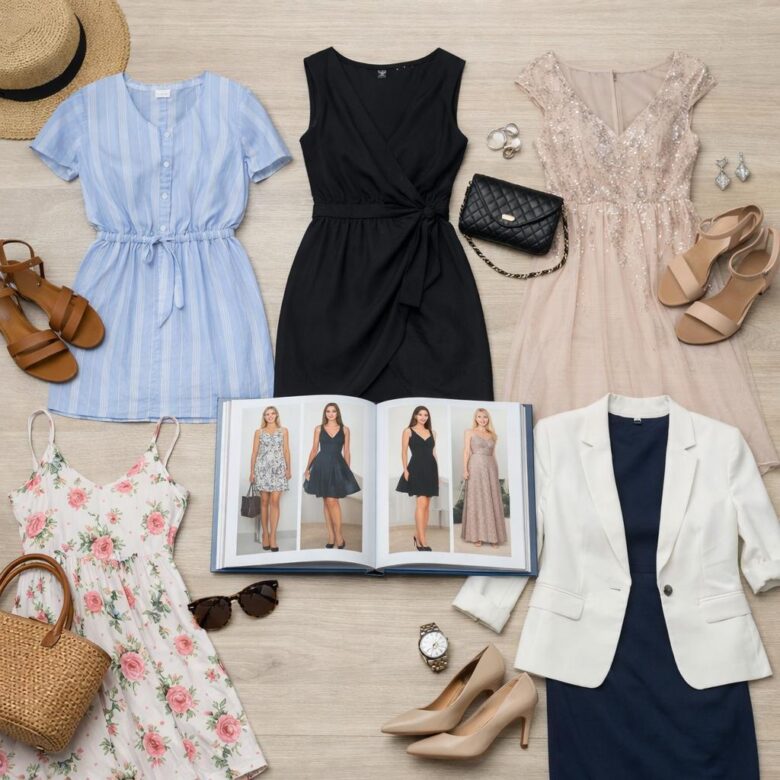
For weddings and formal events, check the dress code before shopping; “black tie,” “cocktail,” and “semi-formal” require very different choices. A satin slip dress may work beautifully for an evening reception, while a floral midi dress is safer for a daytime garden wedding. If the event is expensive or one-time, using a dress rental service like Rent the Runway can reduce cost while giving access to designer dresses.
- Parties: choose statement fabrics like sequins, velvet, or silk, but keep the fit comfortable enough for movement.
- Travel: pack wrinkle-resistant dresses, jersey knits, or convertible styles that work with sneakers by day and heels at night.
- Formal events: prioritize tailoring, fabric quality, and proper undergarments over heavy embellishment.
One real-world tip: always check photos of the dress in natural light before buying online, especially for white, nude, or pastel shades. Platforms like Google Shopping help compare prices, return policies, and customer reviews across retailers. A small tailoring cost can also make an affordable dress look premium, especially at the waist, hem, and shoulder line.
Common Dress Styling Mistakes to Avoid: Overdressing, Underdressing, Poor Fit, and Wrong Accessories
One of the biggest dress styling mistakes is ignoring the occasion’s level of formality. A sequined cocktail dress can feel out of place at a casual office dinner, while a cotton sundress may look too relaxed for a hotel wedding reception. When unsure, check the venue, time of day, and dress code wording before buying or renting an outfit.
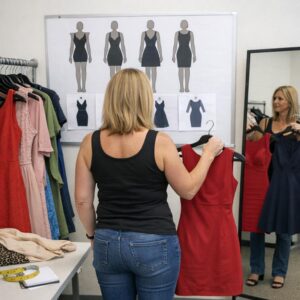
Poor fit is just as noticeable as the wrong style. A dress that pulls at the bust, gaps at the waist, or drags on the floor can make even an expensive outfit look careless, so factor in dress alteration cost before deciding. In real styling appointments, simple tailoring often makes a mid-priced dress look more polished than a designer dress worn straight off the rack.
- Overdressing: Avoid heavy embellishment, dramatic trains, or formal gowns unless the invitation clearly calls for black tie or gala attire.
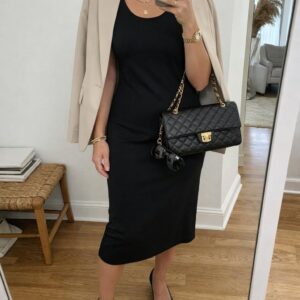
- Underdressing: Upgrade casual dresses with structured blazers, quality heels, or elegant jewelry for business events and semi-formal dinners.
- Wrong accessories: Match the mood, not just the color; a beach dress needs relaxed sandals, not glossy evening pumps.
Use practical tools before committing to a look. Platforms like Pinterest can help you compare outfit ideas by venue, while online styling services, clothing rental platforms, and virtual fitting apps can reduce costly mistakes. The goal is balance: your dress should suit the event, fit your body well, and let accessories support the outfit instead of competing with it.
Wrapping Up: Best Dress Styles for Every Occasion: A Complete Guide Insights
Choosing the right dress is less about following strict rules and more about matching your look to the moment. Let the occasion set the level of formality, then refine your choice with fit, fabric, comfort, and personal style.
Practical takeaway: when in doubt, choose a polished dress that feels comfortable, suits the venue, and can be elevated or softened with accessories. The best dress is one that helps you move confidently, look appropriate, and feel like yourself-because true style always begins with ease and intention.

Dr. Clara Montgomery, Ph.D. in Textile Science and Fashion Psychology Dr. Clara Montgomery is a wardrobe consultant and researcher with over 11 years of experience studying how clothing impacts human behavior and confidence. She founded DressesByMe to transform the daily ritual of getting dressed into an empowering, stress-free experience. Combining the science of body symmetry, textile fit, and color psychology, Dr. Montgomery’s mission is to provide personalized styling frameworks and practical outfit planning guides, helping individuals curate a signature wardrobe that aligns beautifully with their lifestyle and personality.