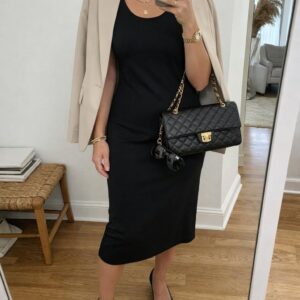
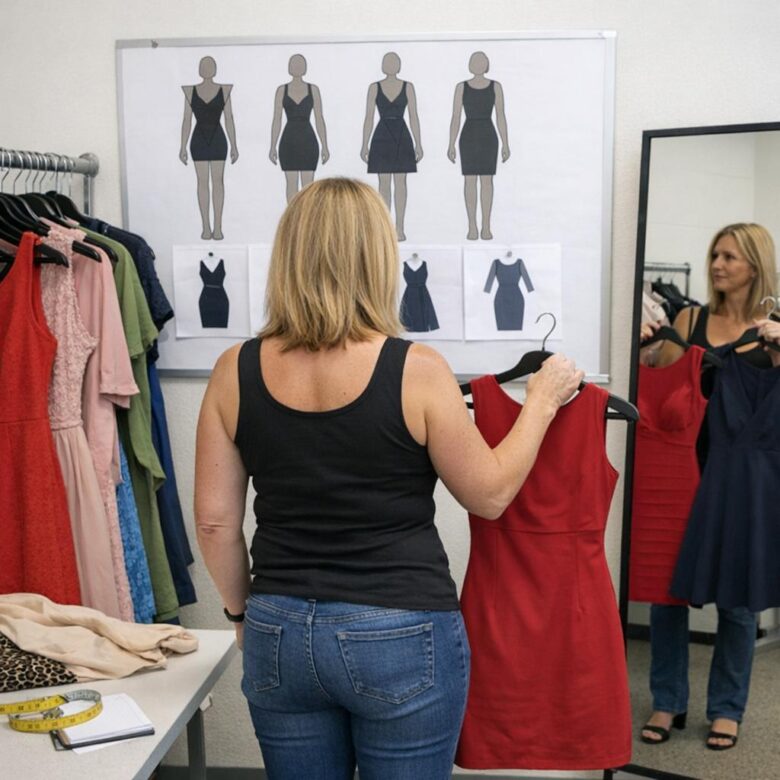
What if the “perfect dress” has less to do with trends-and everything to do with proportion?
The right dress doesn’t hide your body; it balances, defines, and highlights it in the smartest places.
Whether your shape is hourglass, pear, apple, rectangle, or inverted triangle, small choices in neckline, waist placement, fabric, and hemline can completely change how a dress looks on you.
This guide will help you understand your body shape and choose dresses that feel flattering, comfortable, and unmistakably yours.
Understanding Body Shape Basics: Proportions, Balance, and Dress Silhouettes
Choosing the right dress starts with proportions, not size. Two women can wear the same dress size but need completely different silhouettes because their shoulders, bust, waist, hips, and height distribute volume differently. A simple measuring tape, a full-length mirror, and a virtual wardrobe tool like Stylebook can help you compare what actually works before spending money on online dress shopping or alterations.
The goal is visual balance: highlighting the areas you like while creating clean lines where you want structure. For example, if your hips are wider than your shoulders, an A-line dress can skim the lower body while a V-neck or puff sleeve draws attention upward. If your waist is naturally defined, wrap dresses and belted midi dresses usually make the outfit look more polished with less need for tailoring.
- Vertical lines such as seams, pleats, and deep necklines can make the body look longer.
- Structured fabrics like crepe or ponte offer more support than thin jersey, especially for work dresses or formal dresses.
- Tailoring cost matters: hemming is usually easier than fixing a poor shoulder, bust, or waist fit.
In real fitting rooms, the best dress is often the one that needs the fewest “fixes.” If a sheath dress pulls across the hips but gaps at the waist, sizing up may solve one problem and create another; a fit-and-flare silhouette may be the smarter buy. Think of silhouettes as tools, not rules-the right one should let you move, sit, and feel confident without constant adjusting.
How to Match Dress Styles to Your Body Shape for a Flattering Fit
The most flattering dress is the one that balances your proportions, not just the one that follows trends. Start by identifying where you naturally carry volume-shoulders, bust, waist, hips, or midsection-then choose a silhouette that either defines, softens, or visually balances that area.
If you have a pear shape, A-line dresses, wrap dresses, and fit-and-flare styles usually work well because they skim the hips while drawing attention to the waist and upper body. For an apple shape, look for empire waist dresses, V-necklines, and structured fabrics that create shape without clinging to the stomach.
- Hourglass: Choose wrap, bodycon, or belted dresses that follow your waist without adding bulk.
- Rectangle: Try ruched, peplum, or tiered dresses to create curves and waist definition.
- Inverted triangle: Balance broader shoulders with full skirts, A-line cuts, or softer necklines.
A real-world tip from fitting rooms: the right dress often needs small adjustments. A $20-$60 alteration, such as shortening straps or taking in the waist, can make an affordable dress look custom-made, especially for weddings, work events, or formal dinners.
Before buying online, use tools like Amazon Fit Finder or a retailer’s size calculator, and compare your bust, waist, and hip measurements against the garment size chart-not just your usual size. If you are between sizes, choose the size that fits your widest area and budget for dress alterations or supportive shapewear if needed.
Common Dress Shopping Mistakes That Make Fit and Proportion Look Off
One of the biggest mistakes is buying a dress based only on your usual size. Sizing changes across brands, fabrics, and even price points, so always check the size chart and compare it with your bust, waist, and hip measurements. A $20 measuring tape can save you from return shipping costs, poor fit, and unnecessary tailoring.
Another common issue is ignoring the dress length. A midi dress that looks elegant on one person may hit another at the widest part of the calf, making the legs look shorter. For example, if you are petite, choosing a hem just above the knee or using affordable alterations can often create better proportion than buying a trendy full-length style.
- Choosing stiff fabrics for curves: Structured fabric can look polished, but if it pulls across the hips or bust, it disrupts the silhouette.
- Skipping proper undergarments: The right bra or seamless shapewear can completely change how a wrap dress, bodycon dress, or satin slip dress fits.
- Trusting model photos only: Use customer images, reviews, and virtual fitting tools like Amazon Prime Try Before You Buy when available.
In real styling appointments, I often see shoppers blame their body shape when the real problem is the cut of the dress. If the shoulder seam drops, the waistline sits too low, or the fabric bunches at the zipper, it is a fit issue-not a body issue. Good dress shopping is less about chasing trends and more about choosing proportions that work with your frame.
Wrapping Up: How to Choose the Perfect Dress for Your Body Shape Insights
Choosing the perfect dress is less about following strict fashion rules and more about recognizing what makes you feel balanced, comfortable, and confident. Use your body shape as a guide-not a limitation-and focus on fit, fabric, proportion, and movement.
- Prioritize comfort: If you cannot move easily, it is not the right dress.
- Highlight one feature: Let the dress draw attention where you want it most.
- Trust the mirror and your instinct: Confidence is the final test.
The best choice is the dress that supports your shape and feels unmistakably like you.

Dr. Clara Montgomery, Ph.D. in Textile Science and Fashion Psychology Dr. Clara Montgomery is a wardrobe consultant and researcher with over 11 years of experience studying how clothing impacts human behavior and confidence. She founded DressesByMe to transform the daily ritual of getting dressed into an empowering, stress-free experience. Combining the science of body symmetry, textile fit, and color psychology, Dr. Montgomery’s mission is to provide personalized styling frameworks and practical outfit planning guides, helping individuals curate a signature wardrobe that aligns beautifully with their lifestyle and personality.