One wrong outfit can make you look careless, overdressed, or like you missed the memo entirely.
Wedding dress codes are meant to help, but phrases like “formal,” “cocktail,” and “beach elegant” often leave guests guessing what is actually appropriate.
This guide breaks down exactly what to wear to a wedding for every dress code, season, venue, and level of formality-without stealing attention from the couple.
Use it to choose an outfit that feels polished, respectful, comfortable, and completely right for the occasion.
Wedding Dress Codes Explained: What Each Invitation Style Really Means
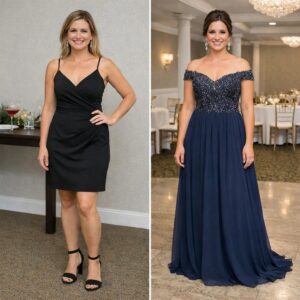
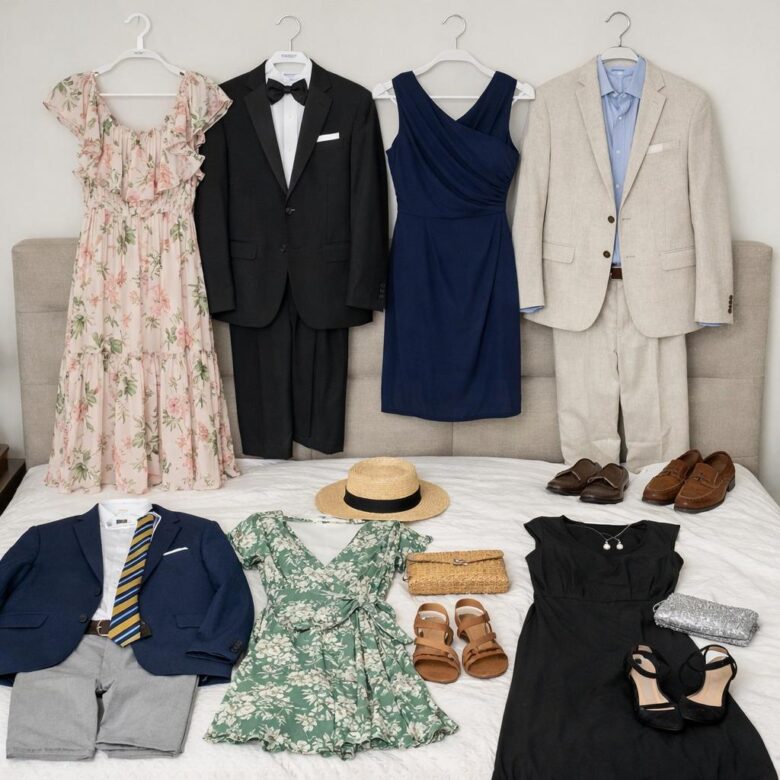
Wedding dress codes are really about matching the formality, venue, and time of day-not just picking a nice outfit. If the invitation says “black tie,” think floor-length gown, elegant cocktail dress, tuxedo, or dark formal suit; for “formal” or “black tie optional,” a polished midi dress, tailored suit, or evening jumpsuit usually works.
“Cocktail attire” is the most common wedding guest dress code, and it gives you room to dress stylishly without looking overdressed. A knee-length or midi dress, dressy separates, heels, loafers, or a sharp blazer are safe choices; for example, a satin midi dress with block heels is perfect for a hotel wedding but still comfortable for dancing.
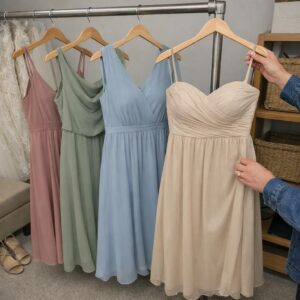
- Semi-formal: lighter fabrics, dress shirts, midi dresses, or polished jumpsuits.
- Beach formal: linen suits, flowy dresses, wedges, and breathable fabrics.
- Casual: neat sundresses, chinos, button-down shirts, and clean shoes-never gym wear.
One real-world tip: check the venue photos on Google Maps before choosing your outfit. A “garden wedding” at a luxury estate calls for very different shoes and accessories than one held on grass behind a family home.
If you do not want to buy a new outfit, designer dress rental and formalwear rental services like Rent the Runway can lower the cost while still giving you access to premium wedding guest dresses, suits, and accessories. Budget a little for tailoring, steaming, or shoe inserts too-comfort often matters as much as style.
How to Choose a Wedding Guest Outfit by Venue, Season, and Time of Day
The venue should guide your fabric, footwear, and level of polish. A black-tie hotel wedding usually calls for a formal gown or tailored suit, while a vineyard, garden, or beach wedding needs breathable fabrics, stable shoes, and layers that still look refined in photos.
Season matters just as much as the dress code. For summer weddings, choose linen blends, silk, chiffon, or lightweight suiting; for winter weddings, consider velvet, crepe, wool tailoring, or a dressy coat that works with the outfit instead of covering it awkwardly.
- Outdoor ceremony: check wind, grass, and temperature before choosing heels, hems, and sleeves.
- Evening reception: darker colors, metallic accessories, and structured pieces usually feel more appropriate.
- Destination wedding: use clothing rental services like Rent the Runway to avoid buying a one-time outfit.
Time of day is the easiest filter: daytime weddings lean lighter and softer, while evening weddings can handle richer colors, satin finishes, and more formal accessories. For example, a 2 p.m. garden wedding in May might suit a floral midi dress with block heels, but the same dress could feel too casual for an 8 p.m. ballroom reception.
One practical step I always recommend is checking the exact venue photos on Google Maps before shopping. You can often spot whether the space has gravel paths, beach sand, steep stairs, or heavy air conditioning, which helps you avoid expensive last-minute fixes like shoe inserts, emergency tailoring, or buying a wrap on the way.
Wedding Guest Attire Mistakes to Avoid: Colors, Fit, Formality, and Etiquette
The biggest wedding guest attire mistakes usually come from ignoring the invitation details. If the dress code says black tie, a casual sundress or linen shirt will look underdressed; if it says beach formal, heavy satin or stilettos may feel uncomfortable and impractical.
Be careful with color choices. Avoid white, ivory, cream, or anything that photographs close to bridal unless the couple specifically requests it. I’ve seen pale champagne dresses look harmless in person but appear almost white in professional wedding photos, which is exactly the kind of attention a guest should avoid.
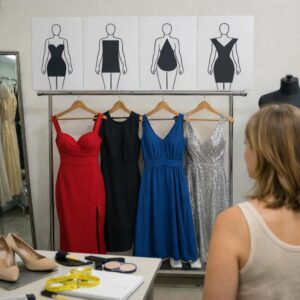
- Fit: Schedule alterations early, especially for suits, jumpsuits, and formal gowns. A modest alterations cost is usually worth it because poor fit makes even expensive wedding guest outfits look off.
- Formality: When unsure, dress one level more polished rather than too casual. A tailored blazer, elevated shoes, or refined accessories can save the look.
- Etiquette: Skip overly revealing, loud, or attention-grabbing pieces unless the invitation clearly supports a bold party style.
For destination weddings or strict dress codes, outfit rental services like Rent the Runway can be useful, especially if you do not want to buy a formal dress or designer suit you may wear once. Check delivery dates, backup sizes, and return policies before relying on any rental platform.
Also consider the venue, weather, and schedule. A garden ceremony may require block heels, while a religious venue may call for covered shoulders. Good wedding guest style is not just about looking polished; it is about respecting the couple, the setting, and the moment.
Expert Verdict on What to Wear to a Wedding: Dress Guide for Every Dress Code
Choosing what to wear to a wedding comes down to reading the dress code carefully, respecting the venue, and avoiding anything that distracts from the couple. When in doubt, aim slightly more polished than casual and choose pieces that feel elegant, comfortable, and appropriate for the setting.
Practical takeaway: let the invitation guide the formality, let the season guide the fabric, and let good etiquette guide the details. If your outfit feels refined without competing for attention, you are likely on the right track. A thoughtful choice shows respect-and helps you enjoy the celebration with confidence.

Dr. Clara Montgomery, Ph.D. in Textile Science and Fashion Psychology Dr. Clara Montgomery is a wardrobe consultant and researcher with over 11 years of experience studying how clothing impacts human behavior and confidence. She founded DressesByMe to transform the daily ritual of getting dressed into an empowering, stress-free experience. Combining the science of body symmetry, textile fit, and color psychology, Dr. Montgomery’s mission is to provide personalized styling frameworks and practical outfit planning guides, helping individuals curate a signature wardrobe that aligns beautifully with their lifestyle and personality.