What if the “perfect” evening dress isn’t about the dress at all-but how it works with your shape?
The right gown can sharpen your waist, elongate your frame, balance proportions, and make you feel instantly more polished the moment you zip it up.
Choosing by body type is not about hiding flaws; it’s about understanding structure, silhouette, fabric, neckline, and fit so your dress supports your best features.
Whether you’re dressing for a gala, wedding, formal dinner, or black-tie event, this guide will help you find an evening dress that feels elegant, flattering, and unmistakably yours.
Understanding Body Types and Why Evening Dress Silhouette Matters
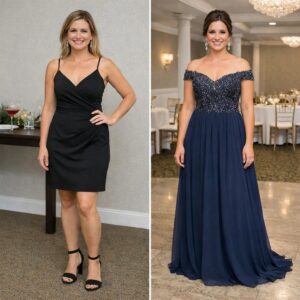
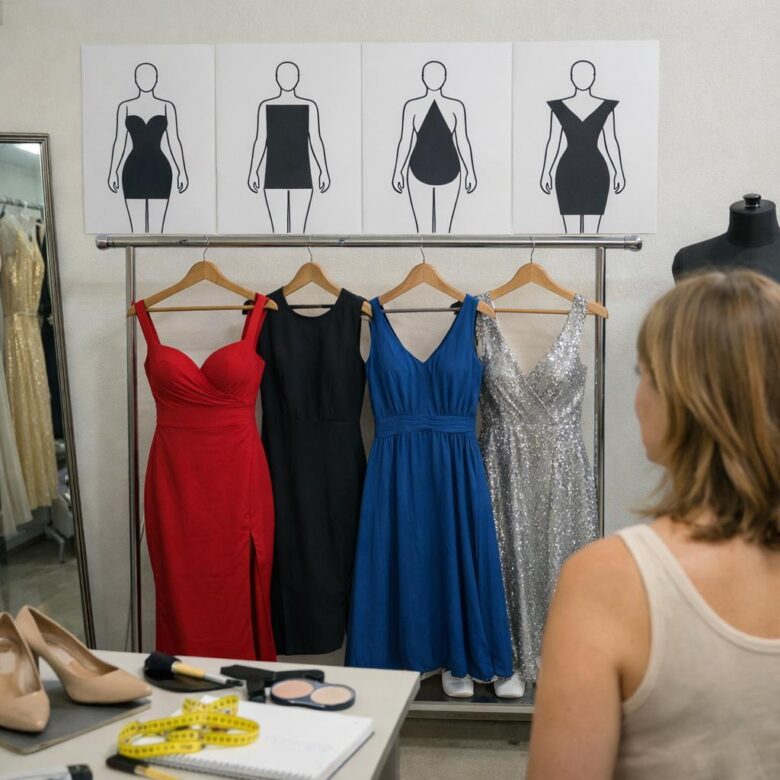
Choosing the right evening dress starts with understanding proportions, not chasing a “perfect” body type. The goal is to balance shoulders, waist, hips, and height so the dress works with your shape instead of fighting it. This is where silhouette matters: an A-line gown, mermaid dress, empire waist, sheath, or wrap-style evening dress can completely change how polished and comfortable you feel.
In real fittings, the most common mistake is buying a beautiful designer gown that looks great on the hanger but needs expensive alterations because the cut does not match the body. For example, someone with fuller hips may feel restricted in a straight sheath dress, while an A-line or fit-and-flare silhouette creates movement and balance with less tailoring cost. If you are shopping online, platforms like Rent the Runway can be useful because customer photos and fit reviews often show how a formal dress looks on different body shapes.
- Pear shape: Try A-line, off-shoulder, or embellished bodices to balance the lower body.
- Hourglass shape: Look for wrap dresses, mermaid gowns, or belted styles that define the waist.
- Apple or rectangle shape: Empire waist, draped fabrics, and structured necklines can create shape without clinging.
Before buying, check the fabric, stretch, neckline, and alteration options-not just the size label. A personal styling service, virtual fitting tool, or in-store tailor can help you compare the cost and benefits of each silhouette before committing. The right evening dress should photograph well, move easily, and let you sit, walk, and dance without constant adjusting.
How to Match Evening Dress Styles to Your Shape, Height, and Proportions
The best evening dress is not just about body type; it is about proportion. If you have a shorter torso, a V-neck or empire waist can visually lengthen the upper body, while taller women often look balanced in column gowns, mermaid dresses, or structured designer evening gowns with defined waistlines.
For petite frames, avoid heavy layers that swallow your shape; a fitted sheath dress with a side slit and nude heels usually creates a cleaner vertical line. For example, a 5’2″ woman choosing a floor-length A-line gown should check the hem with her actual event shoes before buying, because alterations cost can quickly rise if the dress has beading, lace, or multiple lining layers.
- Curvy proportions: Look for wrap styles, corset bodices, and supportive fabrics that define the waist without pulling across the hips.
- Broad shoulders: Try halter necks, soft V-necks, or one-shoulder dresses instead of straight strapless styles.
- Long legs, shorter torso: Choose dropped waists, sleek necklines, and minimal belts to avoid cutting the body in half.
Before ordering, compare your measurements with the brand’s size chart and use a virtual fitting tool like Amazon Prime Try Before You Buy or rental platforms such as Rent the Runway to test silhouettes with less risk. In real fittings, I often see women choose the “right” size but the wrong proportion, so budget for professional tailoring services; even a small strap adjustment or hem correction can make an affordable evening dress look custom-made.
Common Evening Dress Fit Mistakes That Can Throw Off Your Look
One of the biggest evening dress mistakes is choosing the size you wish you wore instead of the size that fits your widest measurement. If a gown pulls across the hips, gaps at the bust, or creates horizontal wrinkles, it will look more expensive after professional alterations than it ever will when forced to fit.
Another issue is ignoring the fabric. Satin and silk charmeuse show every crease, so even a small fit problem can look obvious in photos, while stretch crepe or structured mikado is more forgiving. I’ve seen women choose a stunning fitted satin dress for a gala, only to spend the whole night adjusting it because the bodice was half an inch too tight.
- Wrong hem length: Bring your actual heels to the fitting, not a similar pair. A good tailor will adjust the hem based on your event shoes and posture.
- Poor undergarments: Try the dress with the exact bra, shapewear, or adhesive cups you plan to wear. Brands like Spanx can change how the waist and hip area sit.
- Skipping a sitting test: Sit, walk, raise your arms, and turn before buying. A dress that only looks good standing still is risky for weddings, formal dinners, and black-tie events.
Also, do not overlook alteration costs when setting your evening dress budget. A lower-priced gown may become expensive if it needs bust reshaping, strap adjustment, hemming, and waist tailoring, so ask for a realistic estimate before committing.
Final Thoughts on How to Choose the Right Evening Dress for Your Body Type
Choosing the right evening dress is less about following rules and more about creating balance, comfort, and confidence. Let your body type guide the starting point, but let fit, fabric, and how you feel make the final decision.
Practical takeaway: try dresses that highlight your favorite feature, skim areas you prefer to soften, and allow easy movement. If you feel poised without constantly adjusting the dress, you are likely on the right track.
The best evening dress is the one that supports your shape, suits the occasion, and lets your confidence arrive before you do.

Dr. Clara Montgomery, Ph.D. in Textile Science and Fashion Psychology Dr. Clara Montgomery is a wardrobe consultant and researcher with over 11 years of experience studying how clothing impacts human behavior and confidence. She founded DressesByMe to transform the daily ritual of getting dressed into an empowering, stress-free experience. Combining the science of body symmetry, textile fit, and color psychology, Dr. Montgomery’s mission is to provide personalized styling frameworks and practical outfit planning guides, helping individuals curate a signature wardrobe that aligns beautifully with their lifestyle and personality.