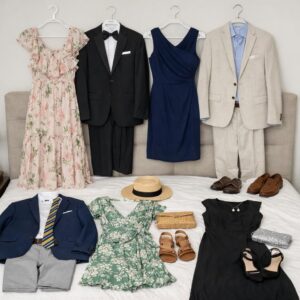
One wrong dress code can make you look underdressed, overdressed, or simply out of place.
The difference between a cocktail dress and a formal dress is not just length-it’s about the level of elegance, fabric, silhouette, and the kind of event you’re attending.
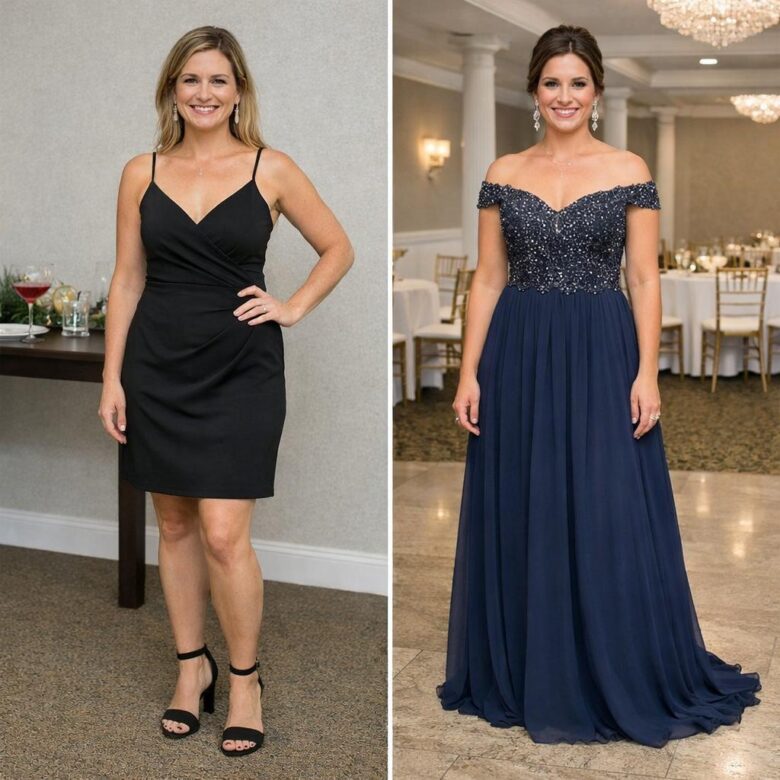
A cocktail dress is polished but social, often shorter and easier to move in. A formal dress is more elevated, usually longer, richer in detail, and designed for black-tie weddings, galas, and evening ceremonies.
Knowing the distinction helps you choose a dress that feels appropriate, flattering, and confident-without second-guessing the invitation.
What Defines a Cocktail Dress vs Formal Dress: Length, Fabric, and Occasion
A cocktail dress is typically shorter, lighter, and easier to move in, making it ideal for semi-formal events, wedding guest attire, holiday parties, business receptions, and upscale dinners. Most cocktail dresses fall above the knee, at the knee, or midi length, while formal dresses usually mean floor-length gowns designed for black tie, galas, formal weddings, and evening ceremonies.
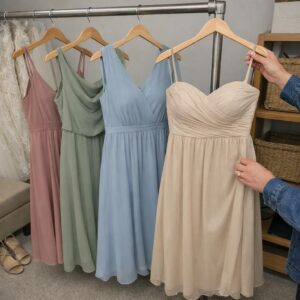
Fabric is one of the clearest differences. Cocktail dresses often use crepe, satin, lace, chiffon, or structured jersey, while formal dresses lean toward luxury fabrics like silk, velvet, taffeta, beaded mesh, or heavyweight satin that photograph well under event lighting.
- Cocktail dress: polished but not overly dramatic; works with heels, a clutch, and refined jewelry.
- Formal dress: more elevated, often full-length, with richer fabric, tailoring, or embellishment.
- Gray area: a midi satin dress can feel cocktail or formal depending on styling and venue.
A real-world example: for a rooftop engagement party, a black midi cocktail dress with strappy heels is appropriate; for a hotel ballroom wedding labeled “black tie optional,” a floor-length gown is the safer choice. If you are unsure, check the venue photos on Google Maps or the event page before buying, renting, or paying for alterations.
The practical rule is simple: match the dress to the dress code, venue, and time of day. When shopping online or using a dress rental service, filter by “cocktail,” “formal,” “black tie,” and “evening gown” to avoid costly returns and last-minute styling stress.
How to Choose Between Cocktail Attire and Formal Attire for Weddings, Galas, and Evening Events
The easiest way to choose between cocktail attire and formal attire is to read the invitation closely, then match the outfit to the venue, time, and event cost. A hotel ballroom wedding at 7 p.m. usually calls for a longer formal dress or polished evening gown, while a rooftop reception or restaurant celebration often works better with a cocktail dress.
If the dress code says “black tie optional,” lean formal, especially for galas, charity dinners, and luxury weddings. For “semi-formal” or “cocktail attire,” a knee-length, midi, or sleek mini dress with refined heels is usually appropriate. When in doubt, it is safer to be slightly overdressed than too casual.
- Wedding: avoid white, overly revealing cuts, and anything that competes with the bride.
- Gala: choose elevated fabrics like satin, velvet, silk, or crepe.
- Evening event: consider lighting, weather, transportation, and how long you will be standing.
A practical example: for a museum fundraising gala, I would choose a floor-length black gown, tailored hem, metallic clutch, and understated jewelry. For a 5 p.m. garden wedding, a floral midi cocktail dress with block heels is more comfortable and still polished.
Before buying, check fit guides, rental options, and alteration timelines on platforms like Rent the Runway or Nordstrom. Designer dress rental, professional tailoring, and personal styling services can be worth the cost if the event is photographed or tied to your career network.
Common Dress Code Mistakes to Avoid When Styling Cocktail and Formal Dresses
One of the biggest mistakes is treating “cocktail attire” and “formal attire” as interchangeable. A knee-length satin cocktail dress may look polished for a rooftop wedding, but it can feel underdressed at a black tie gala where a floor-length formal evening gown is expected.
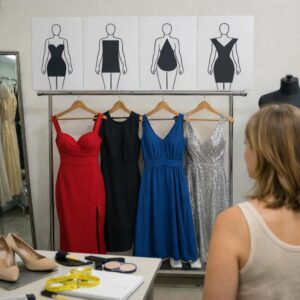
Another common issue is ignoring fabric quality and fit. In real fittings, the same dress can look budget or expensive depending on tailoring, so factor in alterations cost before buying a designer dress online or booking a dress rental service through Rent the Runway.
- Wearing casual shoes: Block sandals or daytime wedges can weaken an otherwise elegant outfit; choose refined heels, dressy flats, or polished evening shoes.
- Over-accessorizing: A sequined formal dress usually needs minimal jewelry, while a simple cocktail dress can handle a statement earring or clutch.
- Skipping the venue check: Hotel ballroom, garden ceremony, and corporate awards dinner dress codes all call for different styling choices.
Pay attention to length, neckline, and coverage, especially for wedding guest attire or professional events. For example, a fitted mini cocktail dress might work for a birthday dinner, but for a charity fundraiser, a midi dress with structured fabric and elegant accessories will usually read more appropriate.
When in doubt, use the event invitation, venue photos, and online styling services as your guide. A small investment in tailoring, quality shapewear, or a personal stylist consultation can prevent an outfit from looking mismatched, uncomfortable, or too casual for the occasion.
Key Takeaways & Next Steps
Choosing between a cocktail dress and a formal dress comes down to the event’s level of elegance, the venue, and the dress code. When in doubt, let the invitation guide you: cocktail attire calls for polished sophistication with a lighter, more social feel, while formal attire demands a more elevated and refined presence.
The best choice is the one that feels appropriate without looking overdone or underdressed. Aim for balance: respect the occasion, consider comfort, and select a dress that helps you move confidently through the event.

Dr. Clara Montgomery, Ph.D. in Textile Science and Fashion Psychology Dr. Clara Montgomery is a wardrobe consultant and researcher with over 11 years of experience studying how clothing impacts human behavior and confidence. She founded DressesByMe to transform the daily ritual of getting dressed into an empowering, stress-free experience. Combining the science of body symmetry, textile fit, and color psychology, Dr. Montgomery’s mission is to provide personalized styling frameworks and practical outfit planning guides, helping individuals curate a signature wardrobe that aligns beautifully with their lifestyle and personality.