What if the problem isn’t that you have nothing to wear-but that your dresses don’t have a job?
A dress capsule wardrobe is not a row of minimalist basics or a fantasy closet built for someone else’s life. It’s a tightly edited set of dresses that covers your real calendar, flatters your body, and works with the shoes, layers, and accessories you already own.
When built well, it makes getting dressed faster without making your style feel smaller. The right dresses can move from work to dinner, summer to fall, errands to events-with fewer pieces and far less second-guessing.
This guide will show you how to choose the dress styles, colors, fabrics, and outfit formulas that actually earn their place in your wardrobe.
What Makes a Dress Capsule Wardrobe Work: Core Pieces, Lifestyle Fit, and Outfit Goals
A dress capsule wardrobe works when every piece earns its space. Instead of buying random “pretty” dresses, choose core styles that match your weekly routine, dress code, climate, and laundry habits. The goal is simple: fewer dresses, more complete outfits.
Start with lifestyle fit. If you work in an office three days a week, a black midi dress, a tailored shirt dress, and a knit dress may give you better cost per wear than five occasion dresses. If you work from home, travel often, or need school-run outfits, wrinkle-resistant fabrics and machine-washable dresses matter more than delicate dry-clean-only pieces.
- Core dresses: one neutral midi, one casual day dress, and one elevated dress for dinners, events, or client meetings.
- Layering pieces: blazer, cardigan, denim jacket, trench coat, or fine knit tops for seasonal styling.
- Support items: comfortable shoes, belts, shapewear, tights, and simple jewelry that change the mood of the same dress.
A practical way to test your capsule is to build outfit goals before shopping. For example, one navy wrap dress can work with loafers and a tote for work, sneakers and a crossbody bag on weekends, then heeled boots and gold earrings for dinner. That single dress is doing three jobs.
Use a wardrobe app like Whering to track outfits, identify gaps, and avoid repeat purchases. In real closets, the best capsule pieces are rarely the trendiest; they are the ones that fit well, photograph nicely, survive regular washing, and solve actual dressing problems.
How to Build a Dress Capsule Wardrobe: Audit, Select, and Style Versatile Dresses
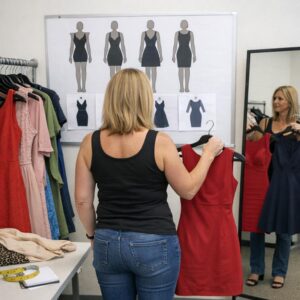
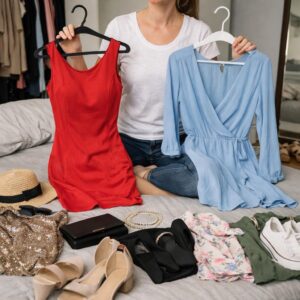
Start with a wardrobe audit before buying anything. Pull out every dress you own and sort by fit, fabric, condition, and real-life use: work, weekends, travel, weddings, dinners, or school runs. A simple tracking tool like Stylebook can help you log outfits, calculate cost per wear, and spot which dresses are taking up space without earning it.
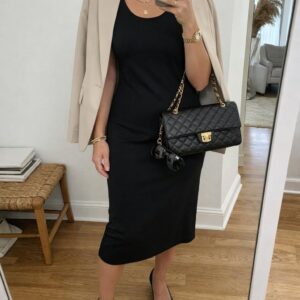
Keep dresses that work with at least three layers or shoe options. For example, a black midi dress can handle office wear with a blazer and loafers, dinner with heeled sandals, and winter errands with ankle boots and a wool coat. That is the difference between a useful capsule piece and a dress that only works once a year.
- Base dresses: neutral shirt dress, black midi dress, knit dress, or wrap dress.
- Seasonal support: lightweight linen or cotton for summer, ponte or wool-blend knits for colder months.
- Styling tools: belts, tailoring, shapewear, quality hangers, and garment care products.
When selecting new pieces, compare the purchase price with tailoring cost, cleaning requirements, and styling flexibility. A $180 dress that needs no alterations and works weekly may be better value than a cheaper trend piece that requires dry cleaning after every wear.
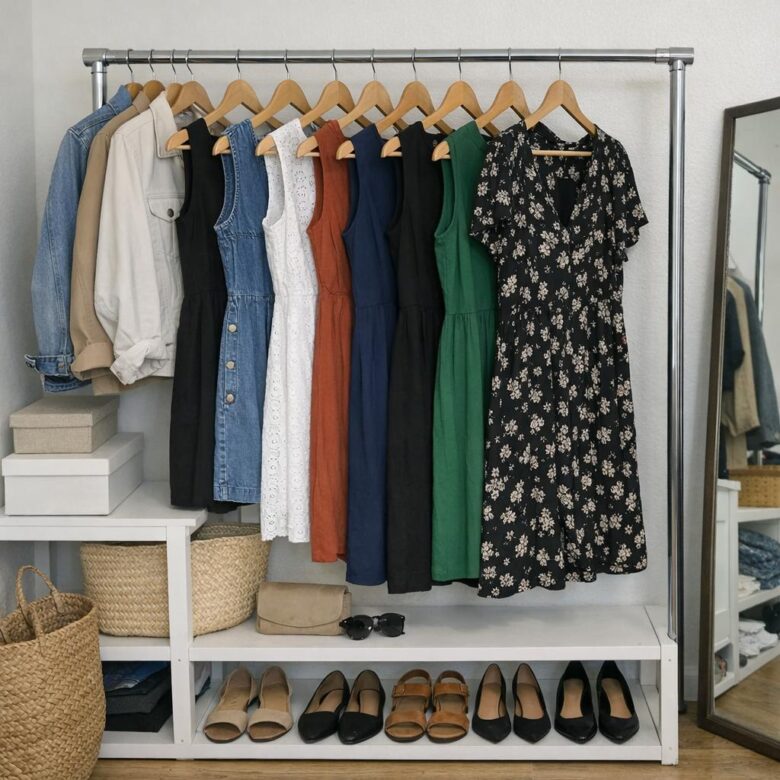
In practice, I’ve seen the strongest dress capsule wardrobes built around five to seven reliable dresses, not twenty “almost right” options. Prioritize machine-washable fabrics, comfortable waistlines, and colors that match your existing shoes, coats, and handbags.
Dress Capsule Wardrobe Strategies and Mistakes to Avoid: Color Palettes, Layering, and Cost-Per-Wear
A dress capsule wardrobe works best when your color palette is tight but not boring. Start with two neutrals, such as black and camel or navy and ivory, then add one accent color that suits your lifestyle; this makes shoes, handbags, belts, and outerwear easier to repeat without looking identical every week.
Layering is where many dress capsules either succeed or fail. A sleeveless midi dress becomes more valuable if it works with a blazer for the office, a cashmere sweater for weekends, and a tailored coat for travel; that one piece now covers multiple dress codes instead of sitting in your closet for “someday.”
- Use a wardrobe app like Stylebook to track outfits, cost-per-wear, and gaps before buying another dress.
- Prioritize alterations over replacement when the fabric is good but the fit is slightly off.
- Avoid buying statement dresses unless you already own the right shoes, bra, layers, and accessories.
Cost-per-wear is a smarter metric than sale price. A $180 washable work dress worn twice a week can be a better investment than a $60 trendy dress that needs dry cleaning and only works with one pair of heels.
One real-world mistake I see often is buying too many “almost right” dresses because they are discounted. If the neckline needs constant adjusting, the fabric wrinkles during your commute, or the color clashes with your existing wardrobe, it will quietly become expensive closet clutter.
Closing Recommendations
A dress capsule works when it reflects your real life, not an idealized version of it. Before buying anything new, ask: Can I wear this at least three ways, for occasions I actually attend, with shoes and layers I already own? If the answer is no, it probably belongs on a wish list-not in your wardrobe.
The best capsule is edited, flexible, and easy to repeat without feeling repetitive. Choose dresses that solve dressing problems, support your personal style, and make getting ready faster. Build slowly, refine often, and let every piece earn its place.

Dr. Clara Montgomery, Ph.D. in Textile Science and Fashion Psychology Dr. Clara Montgomery is a wardrobe consultant and researcher with over 11 years of experience studying how clothing impacts human behavior and confidence. She founded DressesByMe to transform the daily ritual of getting dressed into an empowering, stress-free experience. Combining the science of body symmetry, textile fit, and color psychology, Dr. Montgomery’s mission is to provide personalized styling frameworks and practical outfit planning guides, helping individuals curate a signature wardrobe that aligns beautifully with their lifestyle and personality.